
Diabetic drugs
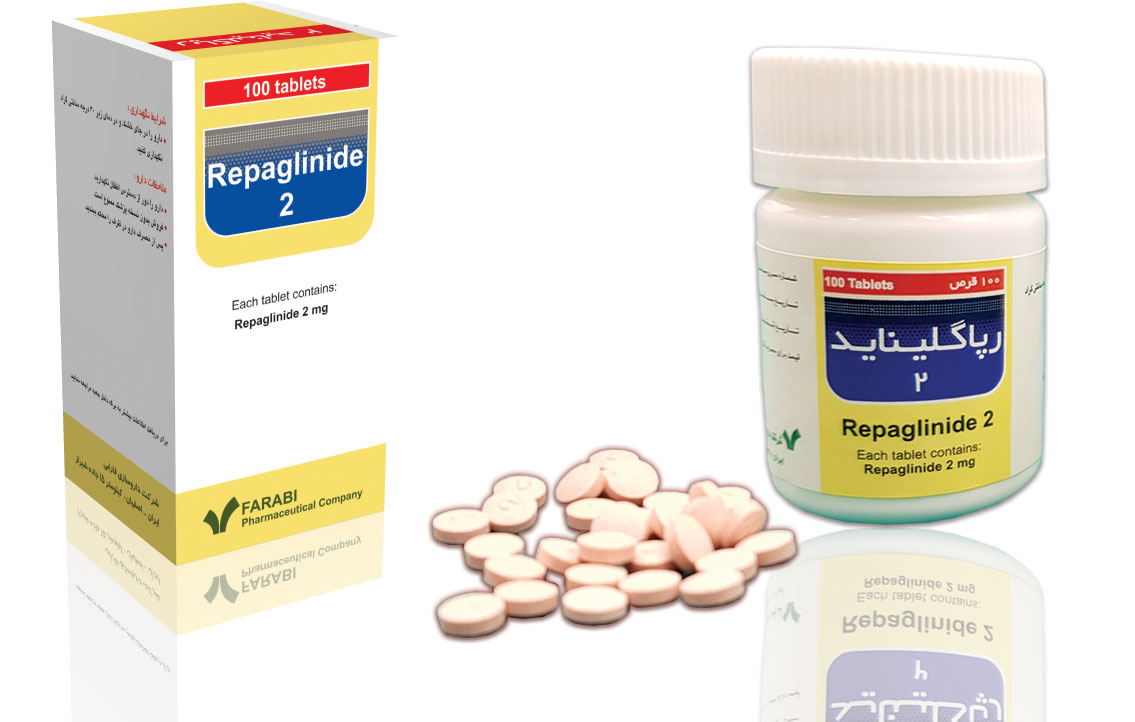
Repaglinide
Repaglinide
Dosage Forms
- 2 mg, 1 mg and 0.5 mg tablets
Drug Group
Anti-Diabetic drugs
Packaging
- HDPE flacons of 100’s.
Mechanism
Repaglinide is an oral blood glucose-lowering drug of the meglitinide class used in the management of type 2 diabetes mellitus (also known as non-insulin dependent diabetes mellitus or NIDDM). Repaglinide lowers blood glucose levels by stimulating the release of insulin from the pancreas. This action is dependent upon functioning beta cells in the pancreatic islets.
Indications
Repaglinide is indicated as an adjunct to diet and exercise to lower the blood glucose in patients with type 2 diabetes mellitus (NIDDM) whose hyperglycemia cannot be controlled satisfactorily by diet and exercise alone.
Dosage and Administration
- Repaglinide is given by mouth up to 30 minutes before meals, in usual initial doses of 0.5 mg; initial doses of 1 or 2 mg are usually given to patients who have had previous hypoglycaemic treatment. The dose may be adjusted, at intervals of 1 to 2 weeks, up to a maximum of 4 mg before meals; a total of 16 mg daily should not be exceeded. Repaglinide is also given with metformin or a thiazolidinedione in type 2 diabetes not adequately controlled by metformin alone.
Precautions and Warnings
Repaglinide is not indicated for use in combination with NPH-insulin. All oral blood glucose-lowering drugs are capable of producing hypoglycemia. Proper patient selection, dosage, and instructions to the patients are important to avoid hypoglycemic episodes. Hepatic insufficiency may cause elevated Repaglinide blood levels and may diminish gluconeogenic capacity, both of which increase the risk of serious hypoglycemia. Elderly, debilitated, or malnourished patients and those with adrenal, pituitary, hepatic or severe renal insufficiency may be particularly susceptible to the hypoglycemic action of glucose-lowering drugs. When a patient stabilized on any diabetic regimen is exposed to stress such as fever, trauma, infection, or surgery, a loss of glycemic control may occur. At such times, it may be necessary to discontinue Repaglinide and administer insulin.
Side Effects
The followings are the only clinical adverse reactions considered possibly: Hypoglycemia, URI, Sinusitis, Rhinitis, Bronchitis, nausea, diarrhea, constipation, vomiting, dyspepsia, arthralgia, back pain, headache, paresthesia, chest pain, urinary tract infection, tooth disorder, allergy, serious CV events, and cardiac ischemic events.
Pregnancy and Lactation
Pregnancy category C. Repaglinide should be used during pregnancy only if it is clearly needed. Repaglinide should be discontinued in nursing mothers, or if mothers should discontinue nursing.
Interactions
In vitro data indicate that repaglinide metabolism may be inhibited by antifungal agents like ketoconazole and miconazole, and antibacterial agents like erythromycin. Drugs that induce the cytochrome P450 enzyme system 3A4 may increase repaglinide metabolism; such drugs include rifampin, barbiturates, and carbamezepine. In vivo data from a study that evaluated the co-administration of gemfibrozil with Repaglinide in healthy subjects resulted in a significant increase in repaglinide blood levels.