
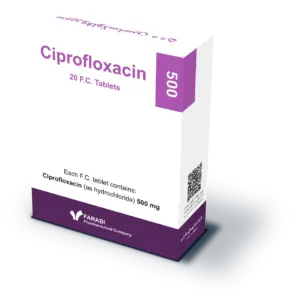
Dosage Forms
- 500mg and 250mg tablets
Drug Group
Antibiotic, Flouroquinolons
Packaging
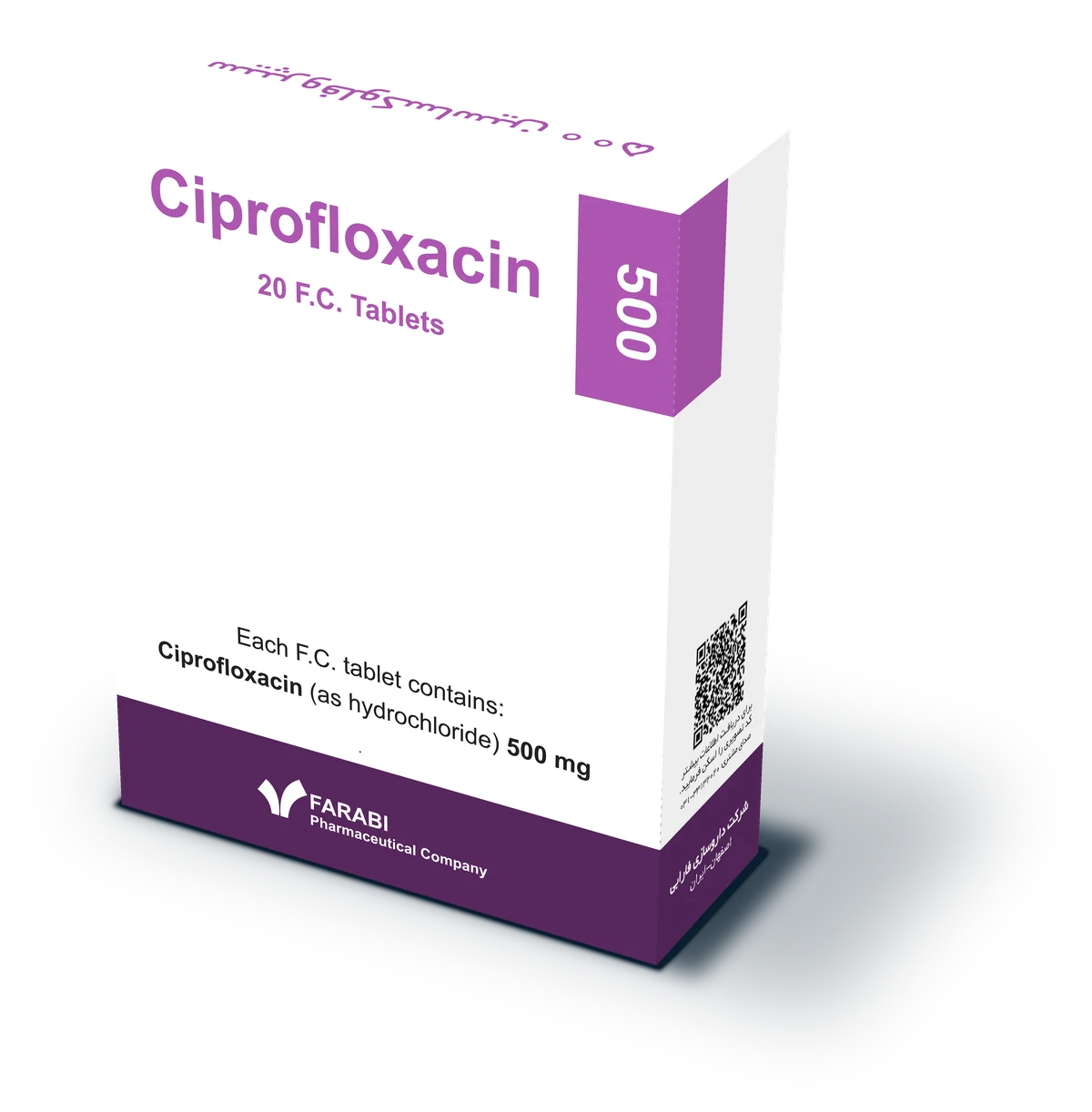
- 10 tablets in one blister. 2 blisters in a box.
For the treatment of infections caused by susceptible strains of the designated microorganisms in the conditions listed below : Acute sinusitis, lower respiratory tract infections, nosocomial pneumonia, skin and skin structure infections, bone/joint infections, urinary tract infections, acute uncomplicated cystitis in females, chronic bacterial prostatitis, complicated intra-abdominal infections, infectious diarrhea, typhoid fever, sexually transmitted diseases and inhalational anthrax.
It acts intracellulary by inhibiting topoisomerase II (DNA gyrase) and/or topoisomerase IV. Topoisomerases are essential bacterial enzymes that are critical catalysts in the duplication, transcription, and repair of bacterial DNA.
Hypersensitivity to flouroquinolons or the quinolone. The use of ciprofloxacin may result in overgrowth of nonsusceptible organisms, including fungi. If superinfection occurs, the drug should be discontinued and appropriate therapy instituted. Ciprofloxacin should be used with caution in patients with epilepsy or a history of CNS disorders. Care is necessary in patients with impaired hepatic or renal function, G6PD deficiency, or myasthenia gravis. Ciprofloxacin should be avoided in meticillin-resistant staphylococcus aureus infections because of the high level of resistance.
Ciprofloxacin is generally well tolerated. It most often involves the gastrointestinal tract, CNS, or skin. Gastrointestinal disturbances include nausea, vomiting, diarrhea, abdominal pain, and dyspepsia. Pseudomembranous colitis has been reported rarely. Headache, dizziness, and restlessness are among the commonest effects on the CNS. Others include tremor, drowsiness, insomnia, nightmares, and visual and other sensory disturbances.
Pregnancy category C. Ciprofloxacin crosses the placenta. Lactations: Ciprofloxacin is known to be distributed into human breast milk. If ciprofloxacin must be administered, breast-feeding is not recommended.
Increased cyclosporine toxicity with unknown mechanism had been reported. The hepatic metabolism of caffeine is decreased by ciprofloxacin. Administration of theophylline with ciprofloxacin has decreased theophylline clearance. Antacids, Iron salts, and sucralfate decreased GI absorption of quinolones.