

Dosage Forms
- 500 mg and 250 mg tablets.
Drug Group
Antibiotic, Macrolide
Packaging
- 10 tablets in one blister. 2 blisters in a box.
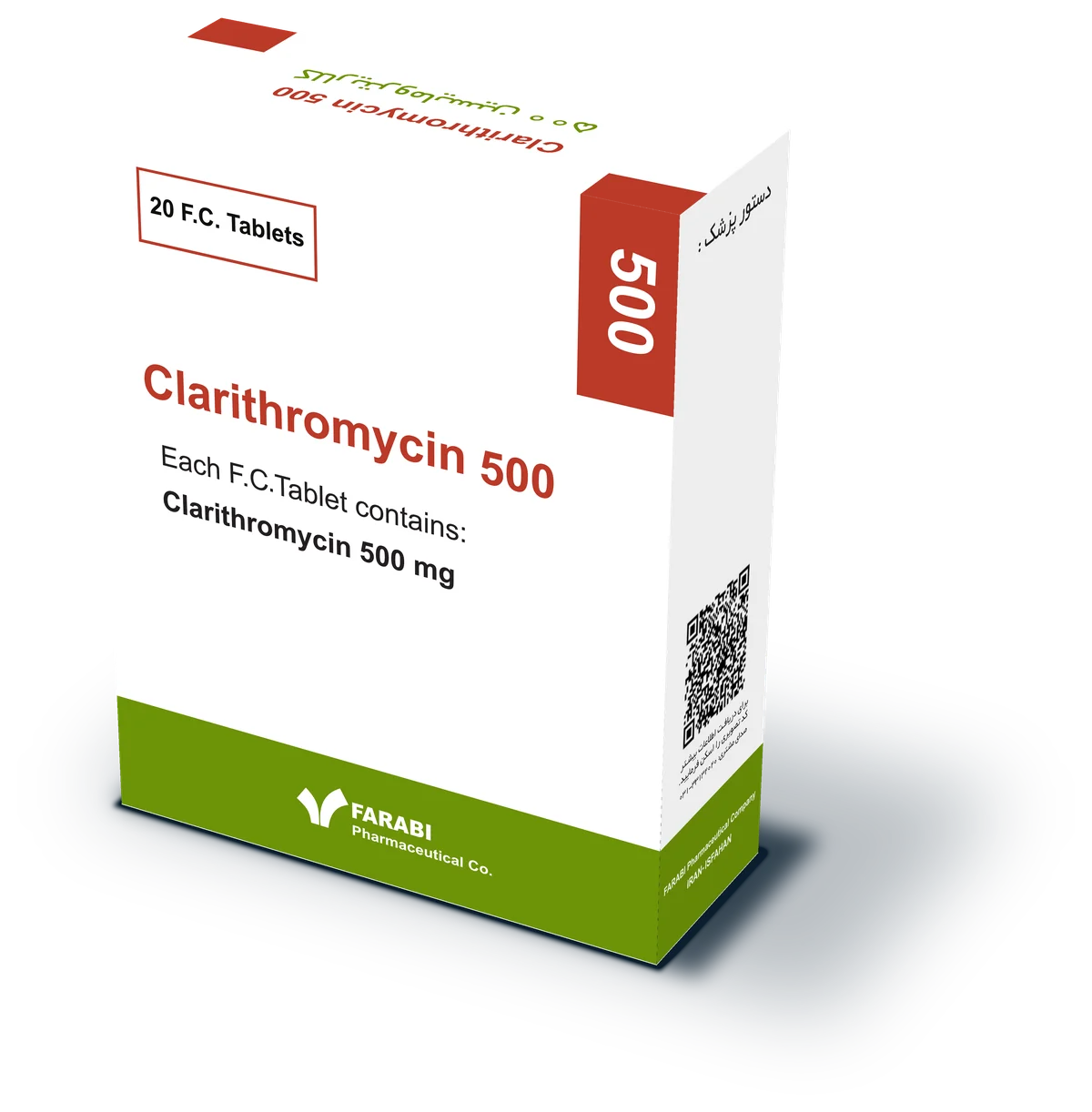
Clarithromycin is given in the treatment of pharyngitis/tonsillitis, acute maxillary sinusitis, acute bacterial exacerbation of chronic bronchitis, pneumonia, uncomplicated skin and skin structure infections. It is also used for the prophylaxis and treatment of opportunistic mycobacterial infections and has been used in the treatment of leprosy. Clarithromycin may be given to eradicate Helicobacter pylori in treatment regimns for peptic ulcer disease.
Clarithromycin is a macrolide derived from erythromycin. It reversibly binds to the P site of the 50S ribosomal subunit of susceptible organisms and may inhibit RNA-dependent protein synthesis. It may be bacteriostatic or bactericidal, depending on such factors as drug concentration.
Hypersensitivity to any of the macrolide antibiotics and patients receiving astemizole, cisapride, or pimozide. Do not use clarithromycin in combination with ranitidine and bismuth citrate in patients with a history of acute porphyria. Hepatic/renal function impairment may be occurred. Clarithromycin should be used with caution in patients with pseudomembranus colitis.
The most frequent adverse effect is gastrointestinal disturbances but is usually mild and less frequent with clarithromycin than with erythromycin. Taste disturbances, stomatitis, glossitis, and tooth discoloration have occurred. Headache and rashes from mild skin eruptions to, rarely, Stevens-Janson syndrome have occurred. There have also been reports of transient CNS effects such as anxiety, dizziness, insomnia, hallucinations, and confusion. Hearing loss has been reported occasionally and is usually reversible. Interstitial nephritis and renal failure have been reported rarely. Other adverse effects include hypoglycemia and thrombocytopenia.
Pregnancy category C. Clarithromycin has adverse effects on pregnancy outcome or embryo-fetal development in monkeys, rats, mice, and rabbits. There are no adequate and well-controlled studies in pregnant women. Do not use clarithromycin in pregnant women. Clarithromycin and its active metabolite are distributed into breast milk.
Absorption of clarithromycin may be reduced by antacids. Azithromycin increases plasma concentration of disopyramide. Avoid concomitant use with rifabutin; increased risk of side effects including neutropenia exists when clarithromycin is given with rifabutin. Clarithromycin possibly enhances the anticoagulant effects of cumarins (warfarin). Clarithromycin possibly increase the risk of colchicine toxicity, suspend or reduce dose of colchicine. (Avoid concomitant use in hepatic or renal impairment). Clarithromycin may increase pimozide plasma concentrations and cardiotoxicity may occur. Coadministration is contraindicated. Coadministration with cisapride is contraindicated as it could lead to cardiac arrhythmias.