Dosage Forms
- 500 mg and 250 mg capsules
- 250 mg/5ml and 125 mg/5ml powder for oral suspensions
Drug Group
Antibiotic, Penicillins
Packaging
- 10 capsules in one blister. 10 blisters in a box.
- Powder for 100 ml oral suspensions.
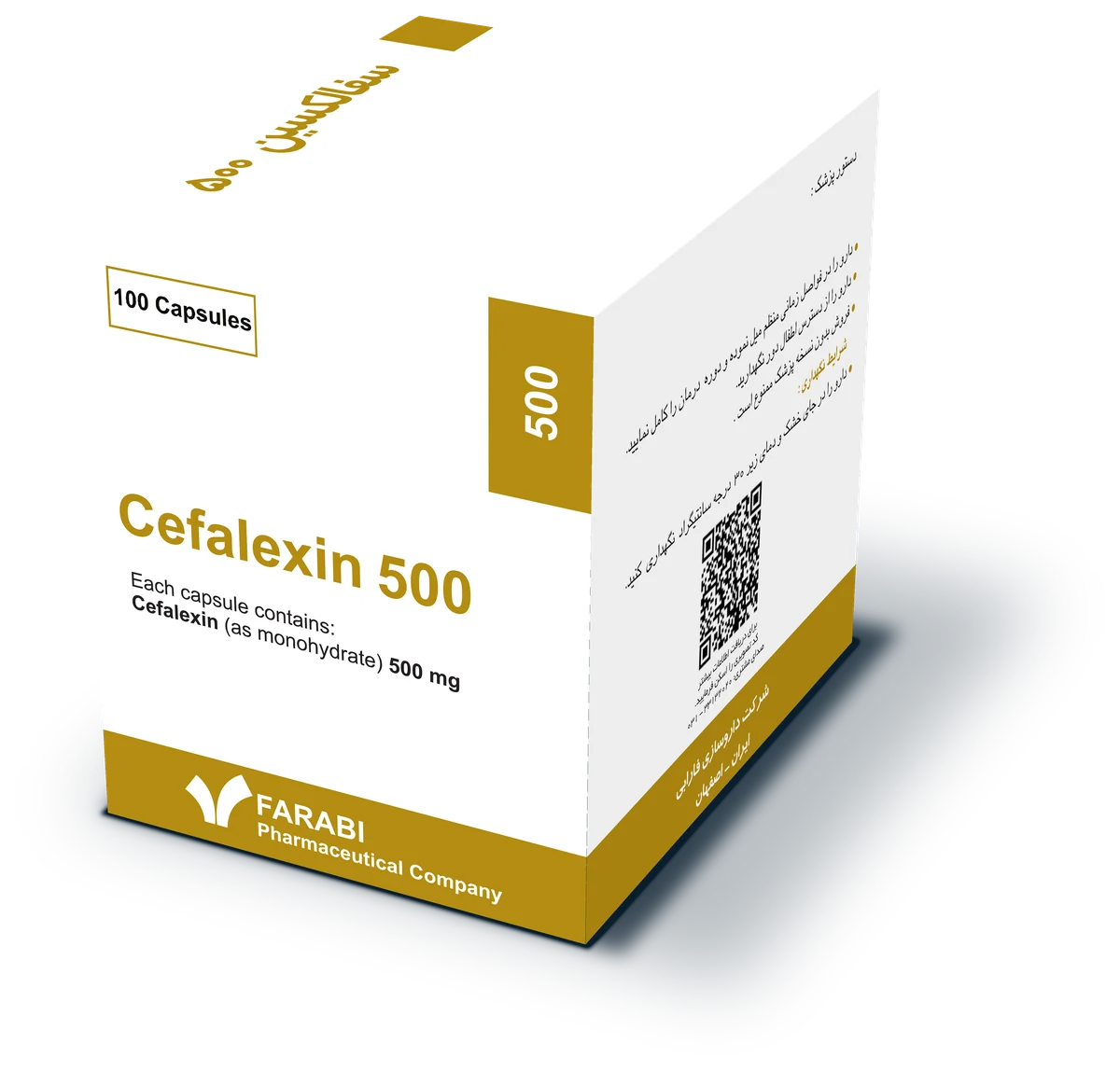
Cefalexin is given by mouth in the treatment of bone and joint infections, otitis media, tonsillitis, pharyngitis, skin and skin structure infections, genitourinary and urinary tract infections and prophylaxis of bacterial endocarditis.
Cefalexin is an oral first-generation cephalosporin. Cephalosporins inhibit bacterial cell wall synthesis. Cefalexin has activity against group A beta-hemolytic streptococci, staphylococci, H. influenzae, M. catarrhalis, P. mirabilis, E. coli, Klebsiella sp. and S. pyogenes.
Cefalexin is not indicated in history of cephalosporins, penicillins hypersensitivity, and porphyria. Cefalexin should be used with caution in patients with history of GI diseases, especially ulcerative colitis, regional enteritis, or antibiotic-associated colitis. Cephalosporins may be nephrotoxic, use with caution in the presence of impaired renal function.
The most frequent side effects of cefalexin are GI disturbances and hypersensitivity reactions including skin rashes, urticaria, eosinophilia, fever, reactions resembling serum sickness and anaphylaxis. Convulsions, transient hepatitis and cholestatic jaundice have been reported.
Safety for use of cefalexin during pregnancy is not established. Small quantities of it are found in breast milk and should be used with caution in nursing women.
Probenecid delays renal excretion of cefalexin. Cefalexin may decrease the efficacy of oral contraceptives. Loop diuretics increase the risk of nephrotoxicity of cephalosporins. Cephalosporins increase the nephrotoxicity of aminoglycoside. A false-positive reaction for urine glucose may occur in non-enzymatic tests using cupric sulfate.