
Dosage Forms
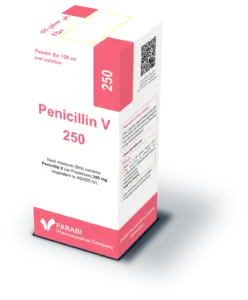
Penicillin V benzathine
- 400000 UI/5 ml and 200000 UI/5 ml powder for oral suspensions
Penicillin V Potassium
- 500 mg tablet
- 250 mg/5 ml powder for oral solution
Drug Group
Penicillin V benzathine
Antibiotic, Penicillins
Penicillin V Potassium
Antibiotic, Penicillins
Packaging
Penicillin V benzathine
- Powder for 100 ml oral suspension.
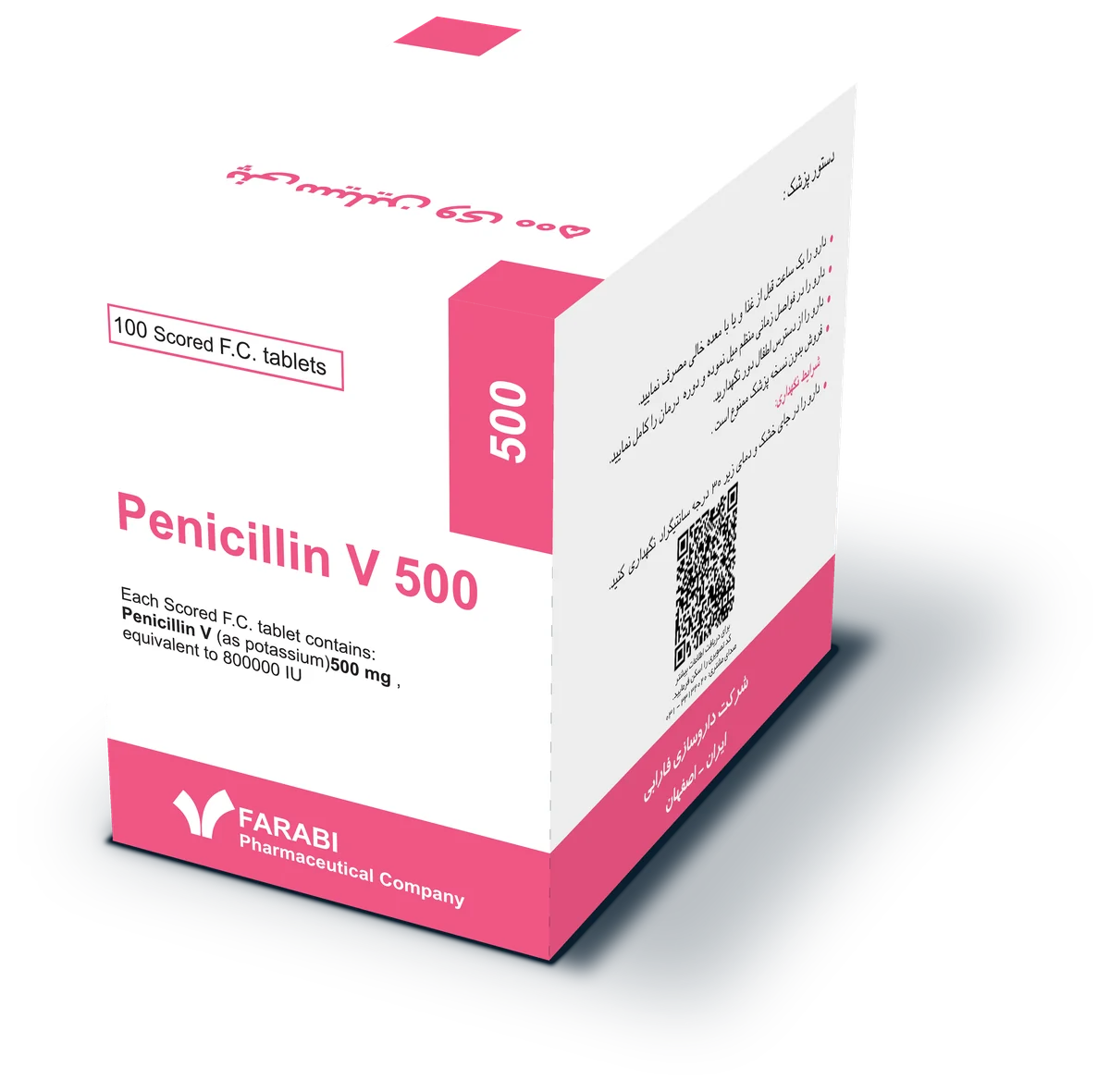
Penicillin V Potassium
- 10 tablets in one blister. 10 blisters in a box.
- Powder for 100 ml oral suspension.
Penicillin V benzathine
Drug is given by mouth in the treatment of upper respiratory tract infections, scarlet fever, erysipelas, otitis media, Vincent’s angina, prevention of rheumatic fever and chorea, Lyme disease, anthrax, prophylaxis of bacterial endocarditis, and acute gingivitis.
Penicillin V Potassium
Drug is given by mouth in the treatment of upper respiratory tract infections, scarlet fever, erysipelas, otitis media, Vincent’s angina, prevention of rheumatic fever and chorea, Lyme disease, anthrax, prophylaxis of bacterial endocarditis, and acute gingivitis.
Penicillin V benzathine
Penicillin V is natural penicillin that acts against penicillin-sensitive organisms. Penicillin V is a broad spectrum antibiotic that inhibits the biosynthesis of cell wall of bacteria. Penicillin V Benzathine has activity against streptococci, staphylococci, fusospirochetes, anaerobes, Borrelia burgdorferi, Actinomyces sp. and Bacillus anthracis.
Penicillin V Potassium
Penicillin V is natural penicillin that acts against penicillin-sensitive organisms. Penicillin V is a broad spectrum antibiotic that inhibits the biosynthesis of cell wall of bacteria. Penicillin V Benzathine has activity against streptococci, staphylococci, fusospirochetes, anaerobes, Borrelia burgdorferi, Actinomyces sp. and Bacillus anthracis.
Penicillin V benzathine
Penicillin V Benzathine is not indicated in history of hypersensitivity to penicillins, cephalosporins and imipenem. Streptococcal infections must be treated for at least 10 days. Suspension contains 15 mg/5 ml aspartame (that is metabolized to phenylalanine in the GI tract) and should not be used by phenylketonurics. Penicillin V should be used with caution in patients with history of GI diseases especially antibiotic-associated colitis. In patients with severe renal function impairment, reduction in dosage or increase in dosing interval is recommended.
Penicillin V Potassium
Penicillin V Potassium is not indicated in history of hypersensitivity to penicillins, cephalosporins and imipenem. Streptococcal infections must be treated for at least 10 days. Penicillin V should be used with caution in patients with history of GI diseases especially antibiotic-associated colitis. In patients with severe renal impairment, reduction in dosage or increase in dosing interval is recommended.
Penicillin V benzathine
The side effects of Penicillin V Benzathine are GI reactions, headache, oral and vaginal candidiasis. The less frequent side effects are allergic reactions, anaphylaxis, serum sickness-like reactions, hives or itching.
Penicillin V Potassium
Penicillin V Potassium is not indicated in history of hypersensitivity to penicillins, cephalosporins and imipenem. Streptococcal infections must be treated for at least 10 days.
Penicillin V benzathine
Penicillin V crosses the placenta. Use during pregnancy only if clearly needed. Small amounts of Penicillin V appear in breast milk.
Penicillin V Potassium
Penicillin V crosses the placenta. Use during pregnancy only if clearly needed. Small amounts of Penicillin V appear in breast milk.
Penicillin V benzathine
Bacteriostatic antibiotics may interfere with penicillins. Penicillin V Benzathine may reduce the efficacy of oral contraceptives. Probenecid decreases renal tubular secretion of penicillins. Penicillins reduce the clearance of methotrexate. False-positive urine glucose reactions may occur in non-enzymatic tests using cupric sulfate during penicillin therapy.
Penicillin V Potassium
Bacteriostatic drugs may interfere with penicillins. Penicillin V Potassium may reduce the efficacy of oral contraceptives. Probenecid decreases renal tubular secretion of penicillins. Penicillins reduce the clearance of methotrexate. False-positive urine glucose reactions may occur in non-enzymatic tests using cupric sulfate with penicillin therapy.