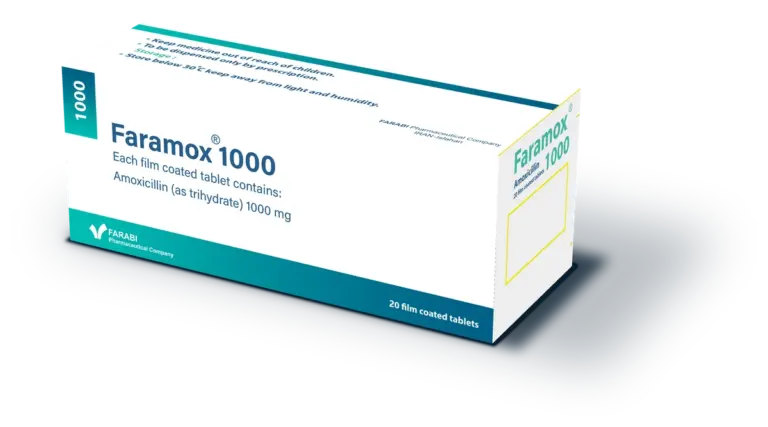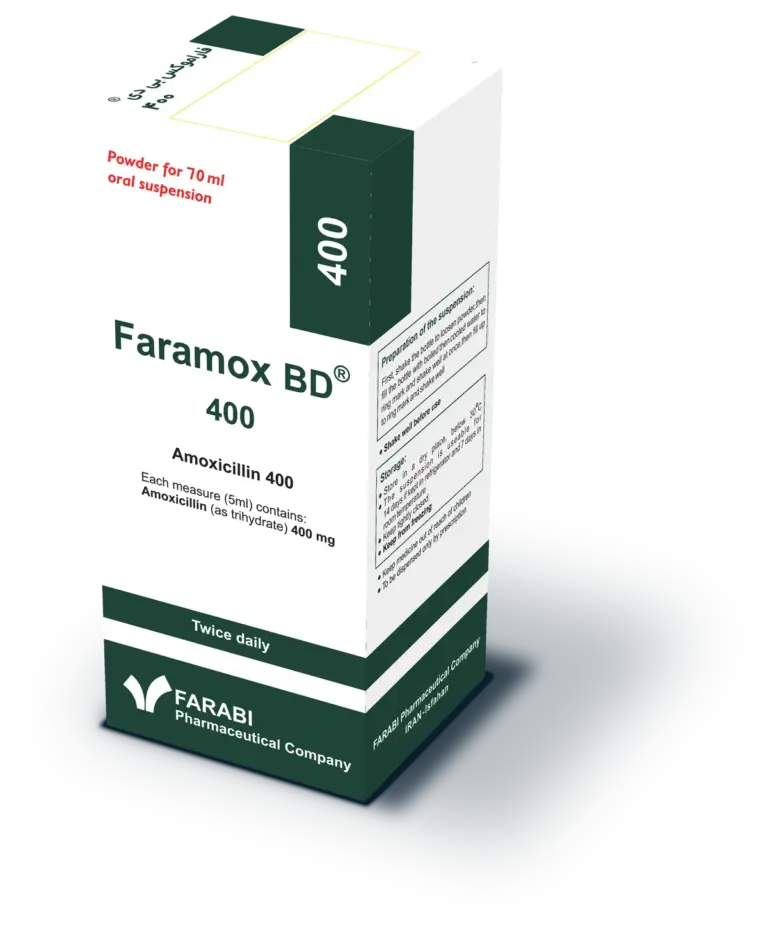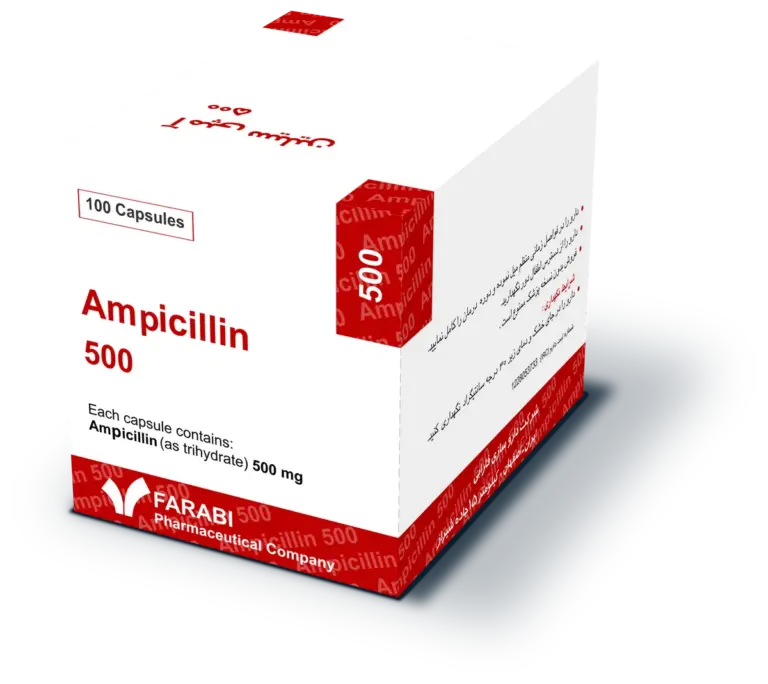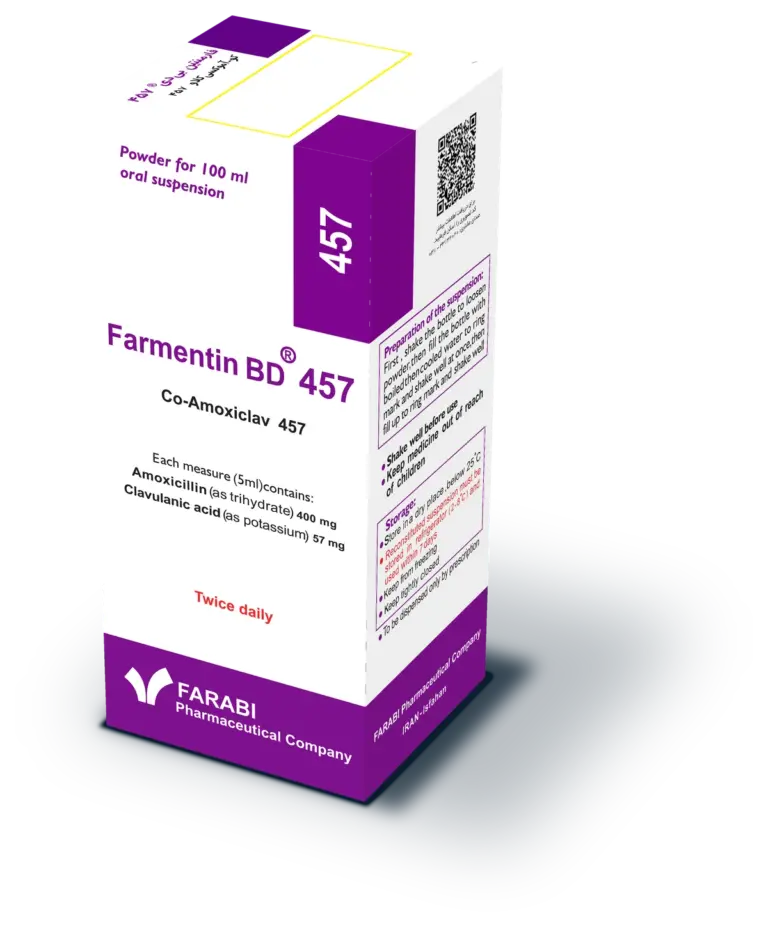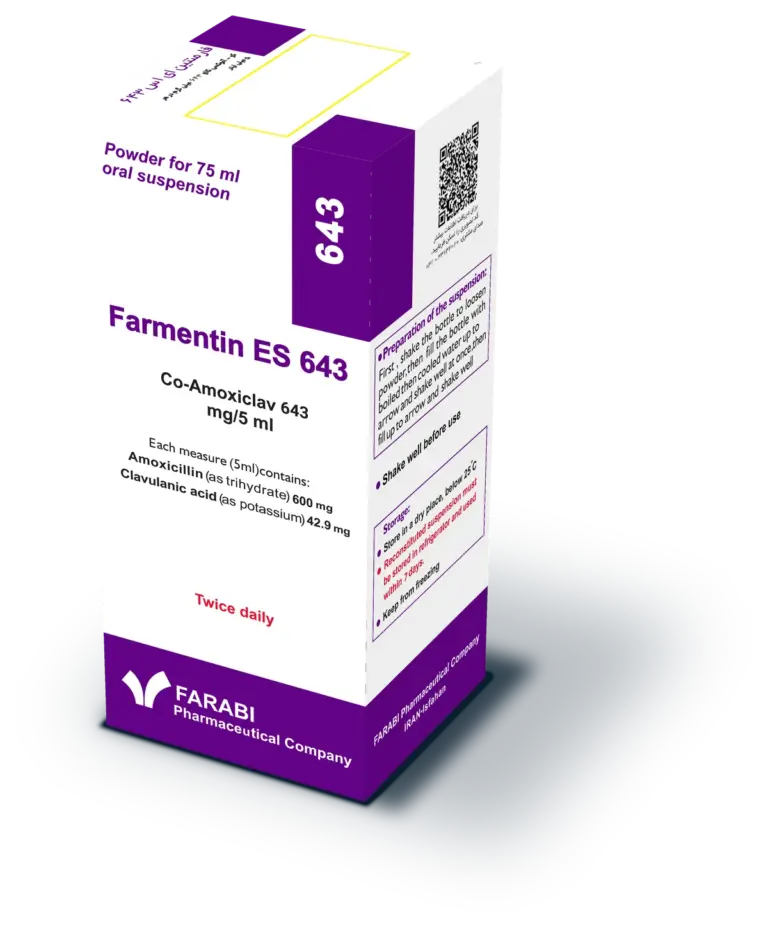
Dosage Forms
- 500 mg and 250 mg capsules
- 500 mg Faramox tablet
- 250 mg chewable tablet
- 250 mg/5ml and 125 mg/5ml powder for oral suspensions
Drug Group
Antibiotic, Penicillins
Packaging
- 10 capsules in one blister. 10 blisters in a box.
- 4 tablets in one Alu-Alu blister. 5 blisters in a box.
- Powder for 100 ml oral suspensions.
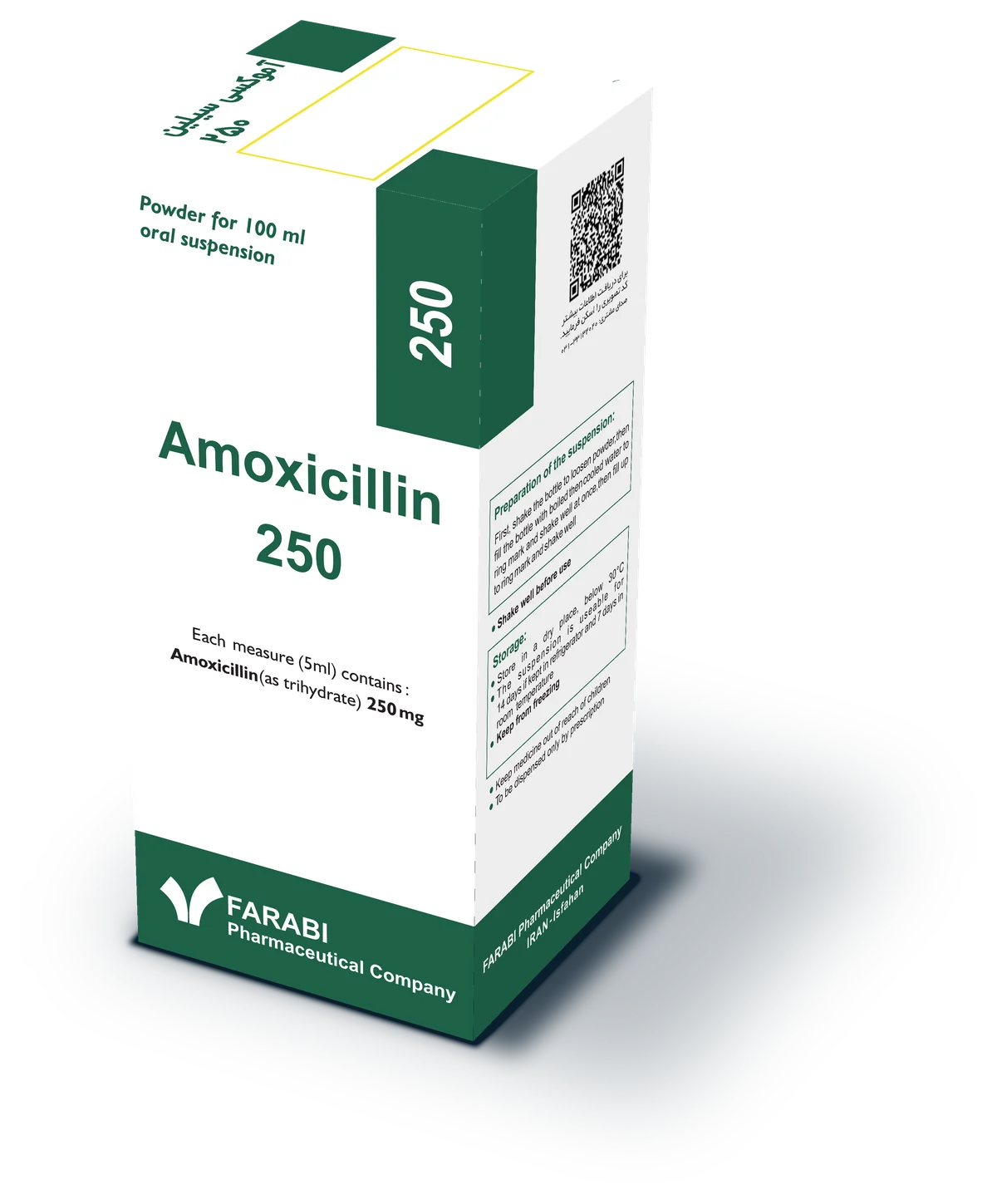
Amoxicillin is given by mouth in the infections of ear, nose, throat (such as acute otitis media, pharyngitis and sinusitis), genitourinary tract, skin and soft tissues, lower respiratory tract, gonorrhea, early Lyme disease and for prevention of bacterial endocarditis.
Amoxicillin is a broad spectrum antibiotic that binds to PBPs (located on the inner membrane of the bacterial cell wall), resulting in the lysis of cell wall. It is active against penicillin-sensitive gram-positive bacteria as well as E. coli, P. mirabilis, non penicillinase-producing staphylococci and H. influenzae.
Amoxicillin is not indicated in history of hypersensitivity to penicillins, cephalosporins and imipenem and, should not be used in patients with mononucleosis. Therapy should be continued for at least 10 days in group A beta-hemolytic streptococcal infections to help prevent the occurrence of acute rheumatic fever. In patients with renal function impairment, a reduction in dosage or increase in dosing interval is recommended. Renal, hepatic and hematologic systems should be evaluated during prolonged therapy.
The most frequent side effects of Amoxicillin are headache, oral and vaginal candidiasis. The less frequent are allergic reactions, anaphylaxis, exfoliative dermatitis, serum sickness-like reactions, skin rash, hives and itching.
Pregnancy category B. Amoxicillin crosses the placenta and is distributed into breast milk. Use during pregnancy only if clearly needed.
Bacteriostatic drugs interfere with bactericidal effect of penicillins. The efficacy of oral contraceptives may be reduced. Probenecid decreases renal tubular secretion of penicillins. False-positive urine glucose reactions may occur in non-enzymatic tests using cupric sulfate during penicillin therapy.