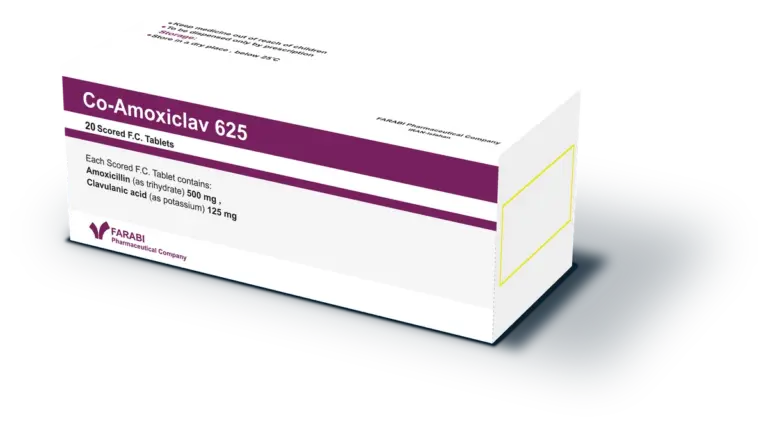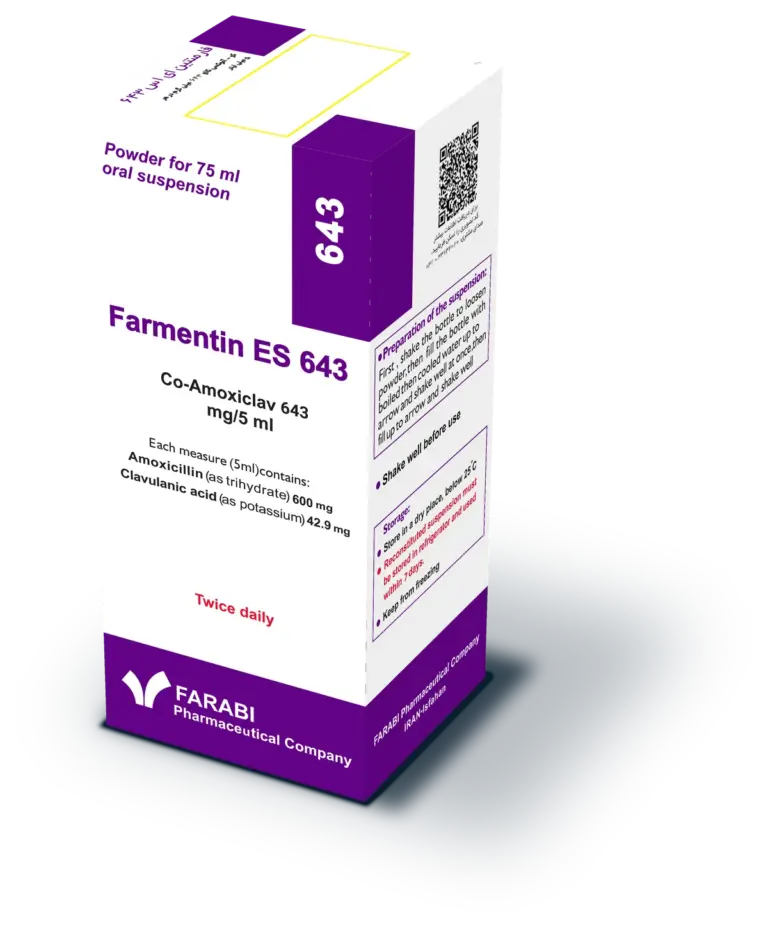
Dosage Forms
- 500 mg and 250 mg capsules
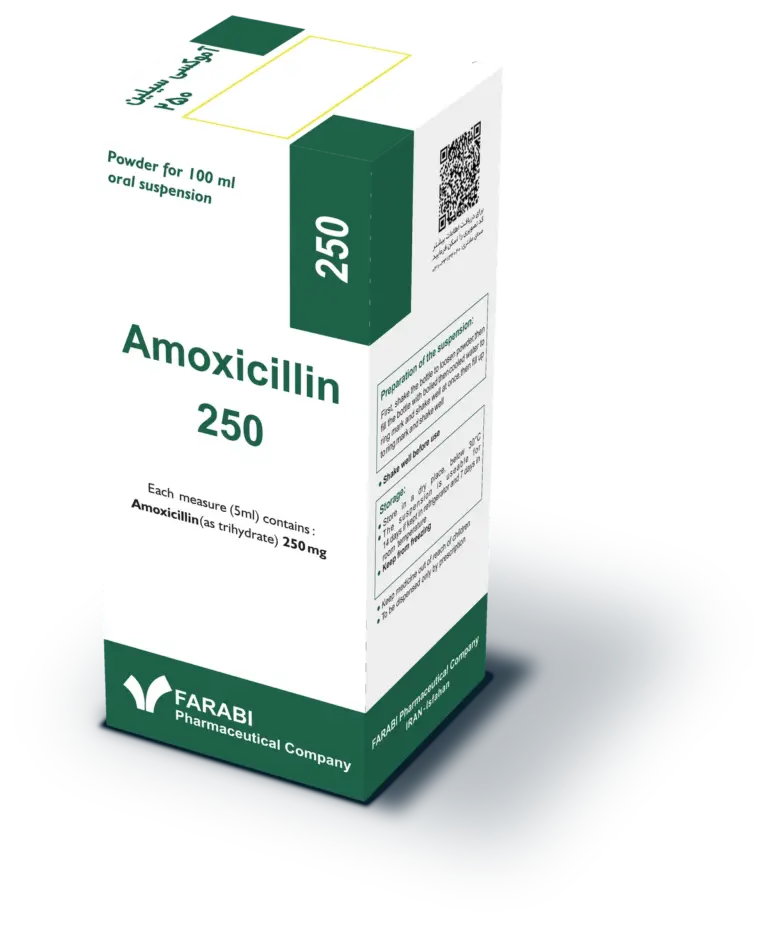
- 250 mg/5ml and 125 mg/5ml powder for oral suspensions
Drug Group
Antibiotic, Penicillins
Packaging
- 10 capsules in one blister. 10 blisters in a box.
- Powder for 100 ml oral suspensions.
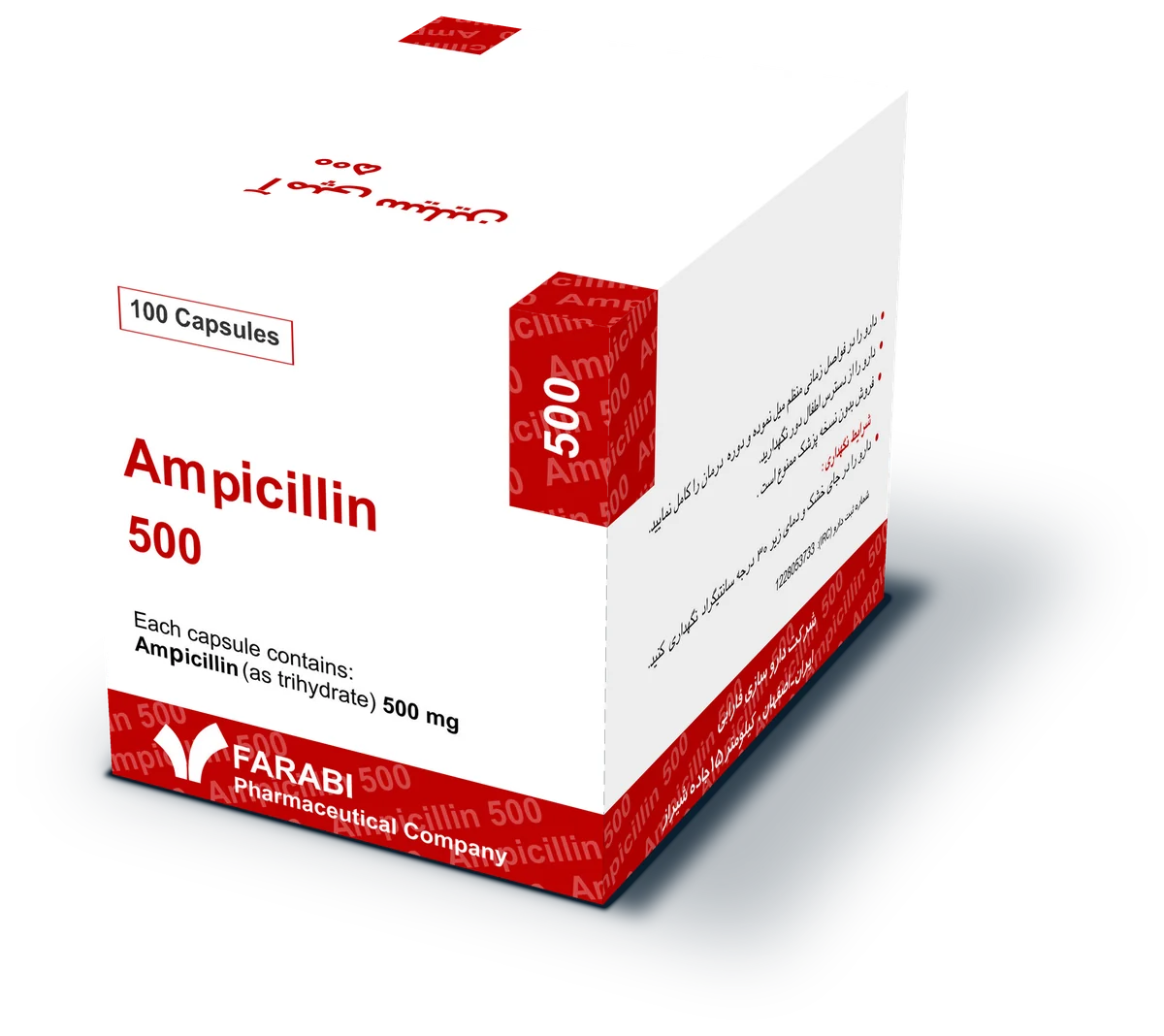
Ampicillin is given by mouth in the treatment of bacterial exacerbation of bronchitis, bacterial pneumonia, otitis media, sinusitis, bacterial pharyngitis, soft tissue infections, gastrointestinal infections, typhoid and paratyphoid fever, uncomplicated gonorrhea, chlamydial infections in pregnant women, bacterial urinary tract infections and prophylaxis of bacterial endocarditis.
Ampicillin is a broad spectrum antibiotic that inhibits the biosynthesis of bacterial cell wall.
Ampicillin is not indicated in history of hypersensitivity to penicillins, cephalosporins and imipenem. Streptococcal infections must be treated for at least 10 days. Ampicillin probably should not be used in patients with infectious mononucleosis. Ampicillin should be used with caution in patients with history of GI diseases especially antibiotic-associated colitis. In patients with severe renal impairment, reduction in dosage or increase in dosing interval is recommended.
Skin rashes are among the most common side effects and generally either urticarial or maculopapular. The erythematous maculopapular eruptions are characteristic of Ampicillin and often appear more than 7 days after commencing treatment. Diarrhea, nausea and vomiting occur quite frequently usually following administration of Ampicillin by mouth.
Pregnancy category B. Ampicillin crosses the placenta. Use during pregnancy only if clearly needed. Small amounts of Ampicillin distributed into breast milk. The use of Ampicillin by nursing mothers may lead to sensitization, diarrhea, candidiasis and skin rash in the infant.
Ampicillin may interact with bacteriostatic antibacterials. Ampicillin may reduce the efficacy of oral contraceptives. Probenecid decreases renal tubular secretion of Ampicillin. False-positive urine glucose reactions may occur in non-enzymatic tests using cupric sulfate during penicillin therapy.