
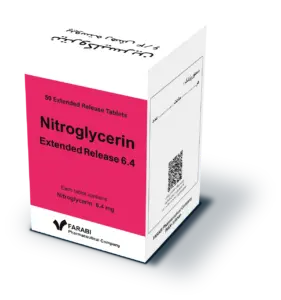
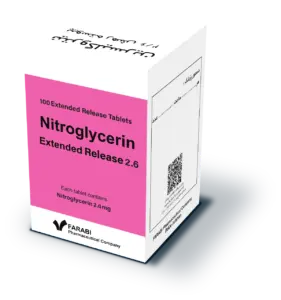
Dosage Forms
- 6.4 mg and 2.6 mg sustained release tablets.
Drug Group
Cardiovascular drugs, Vasodilator
Packaging
- Nitroglycerin 2.6: HDPE flacons of 100’s.
- Nitroglycerin 6.4: HDPE flacons of 50’s.
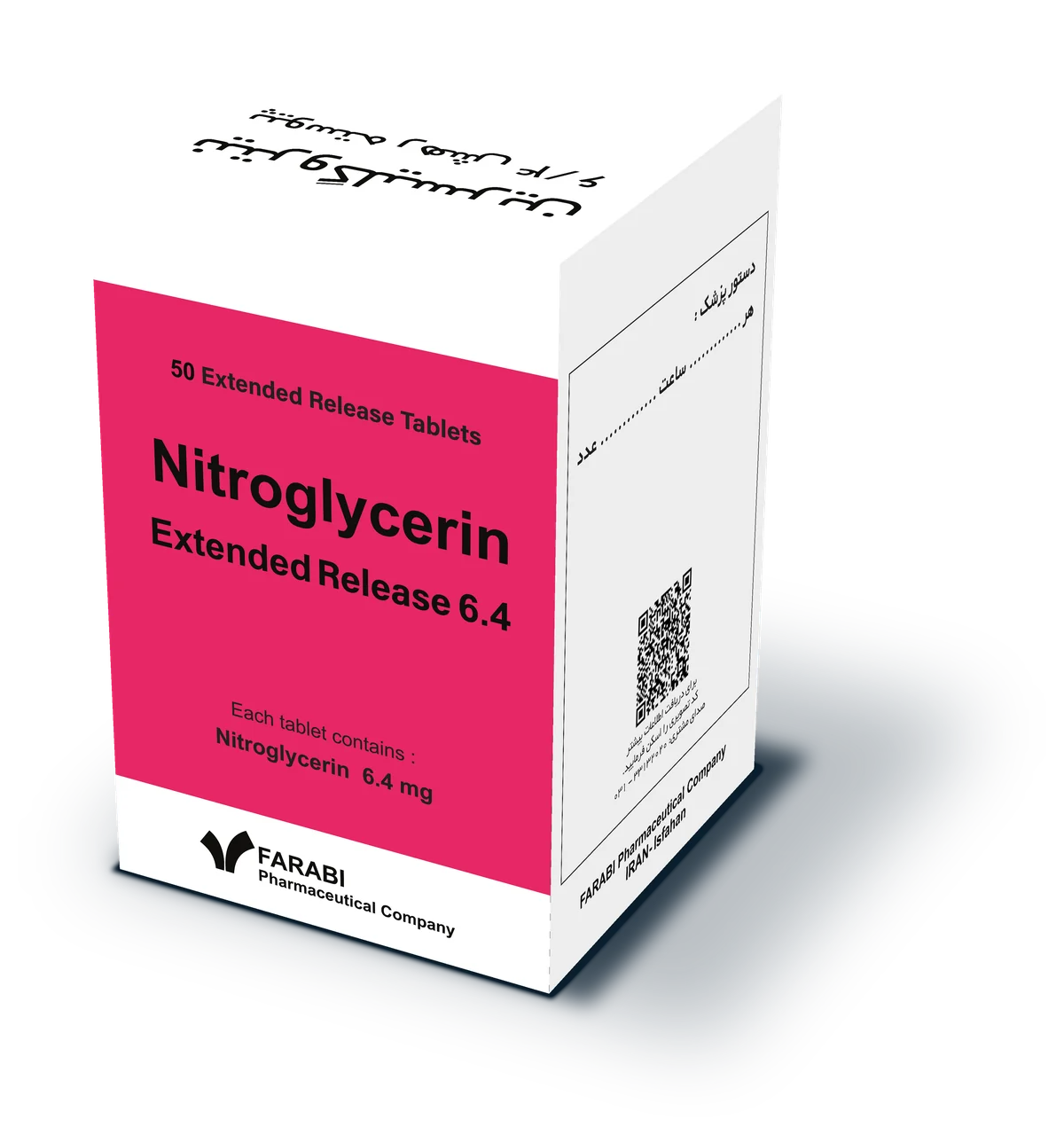
Nitroglycerin is indicated for the acute relief of an attack or acute prophylaxis of angina pectoris due to coronary artery disease.
Nitroglycerin is a vasodilator that frequently is used in the management of angina pectoris. Additionally, in patients with angina, nitroglycerin preferentially dilates blood vessels that supply the areas of the heart where there is not enough oxygen; thereby delivering oxygen to the heart tissue that needs it most.
Nitroglycerin should not be used in patients with severe hypotension, hypovolaemia, marked anaemia, heart failure due to obstruction (including constrictive pericarditis), or raised intracranial pressure due to head trauma or cerebral haemorrhage. Although it has been suggested that Nitroglycerin may increase intra-ocular pressure in patients with angle-closure glaucoma and should be avoided in such patients there appears to be no evidence for such a contra-indication. Nitroglycerin should be used with caution in patients with severe renal or severe hepatic impairment, hypothyroidism, malnutrition, or hypothermia. Metal-containing transdermal patches should be removed before cardioversion or diathermy.
Abdominal pain, diarrhea, dyspepsia, flatulence, nausea, vomiting, constipation, accident household, edema, fall, pain, influenza-Like symptoms, dizziness, headache, pharyngitis, upper respiratory tract infection, coughing, pruritus, rash, Joint related signs and symptoms, musculoskeletal and connective tissue signs and symptoms, anemia, arthralgia, back pain, insomnia, micturition frequency, urinary tract infection
Nitroglycerin can be used during pregnancy if in the judgment of the physician the potential benefits justify the potential (though unknown) risks to the fetus. It is not known if nitroglycerin is secreted in breast milk.
Since nitroglycerin can cause hypotension, other medications which also cause hypotension may produce an unwanted additive effect. Such drugs might include medicines used to treat high blood pressure, some antidepressants; some anti-psychotics, quinidine, procainamide, benzodiazepines such as diazepam (Valium) or opiates (e.g. morphine). Alcohol also may intensify the blood pressure lowering effect of nitroglycerin. Ergot alkaloids (e.g. Cafergot) and Imitrex can oppose the vasodilatory actions of nitroglycerin and may precipitate angina. A similar effect can occur with ephedrine and the decongestants pseudoephedrine (Sudafed) and propanolamine. PDE5 inhibitors (Sildenafil, Vardenafil and Tadalafil) should not be used in patients who have taken nitroglycerin.